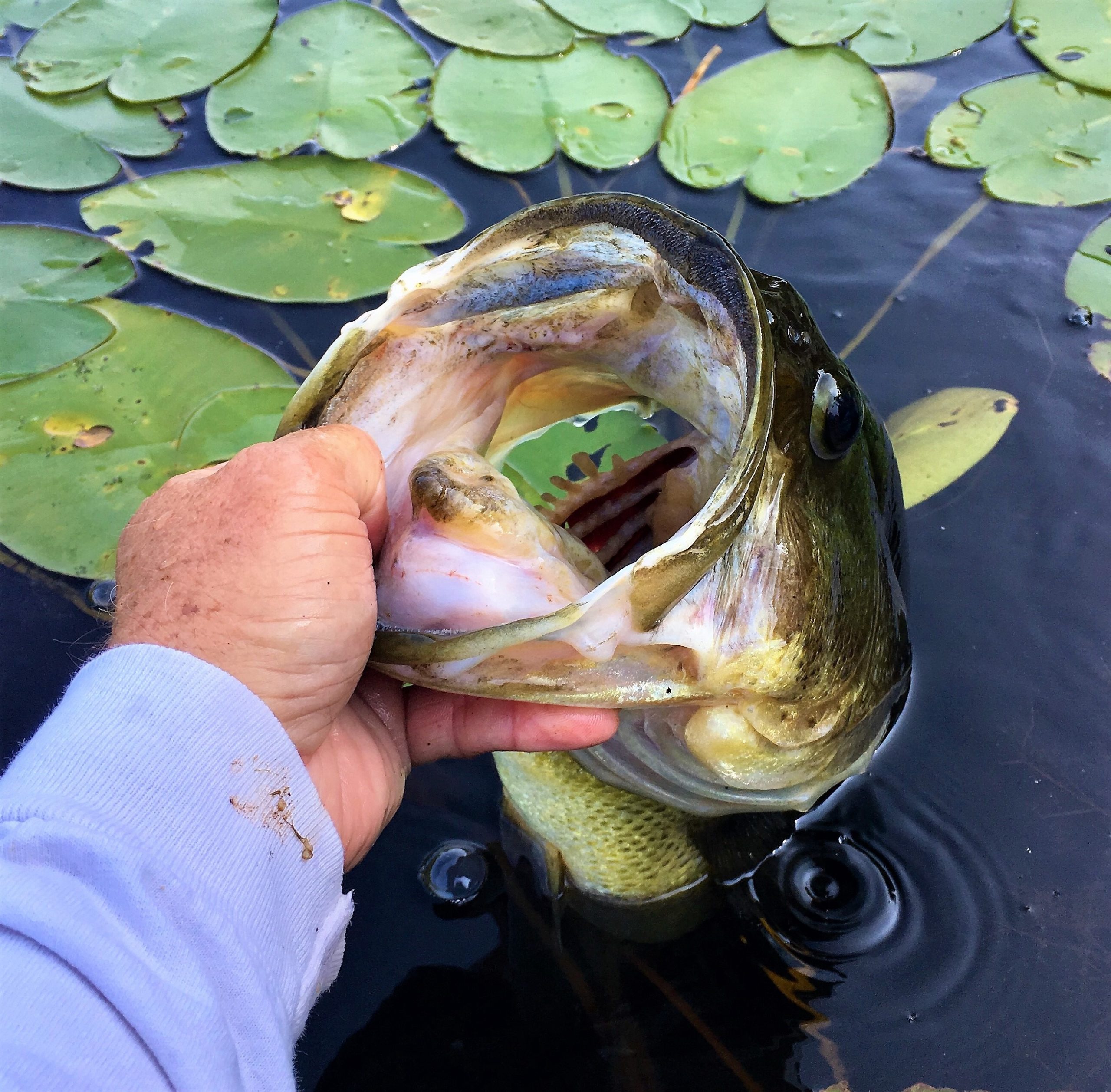
In Texas Hill Country, fall brings cooler nights, calmer water, and stable pond conditions — making it one of the best times of year to stock fish. Whether you want trophy bass, balanced bluegill populations, or a healthy forage base, proper planning is key. Stocking without strategy leads to stunted growth, predator-prey imbalances, and wasted investment. This guide walks you through fall stocking essentials so your pond thrives for years to come.
Quick Guide: Fall Fish Stocking in Texas Ponds
- Best timing: mid-September through early November
- Forage first: bluegill, fathead minnows, threadfin shad
- Predators later: largemouth bass, catfish
- Prep ponds: aeration, vegetation control, and water quality checks
- Stocking rates: based on pond size, depth, and management goals
Summer heat stresses fish, and winter slows their growth. Fall, however, brings moderate temperatures and stable water quality. In the Hill Country, September through early November gives new fish plenty of time to acclimate before winter and grow stronger heading into spring. Cooler nights also mean higher dissolved oxygen, lowering stress during transport and release.
Stocking predators before prey is one of the biggest mistakes pond owners make. A strong forage foundation ensures gamefish have consistent food and grow quickly.
Bluegill: The backbone of Texas pond food webs. Stock both standard and coppernose strains.
Fathead Minnows: Excellent starter forage that reproduce quickly.
Threadfin Shad: Ideal in larger or deeper ponds where they can sustain themselves.
Tip: For every 100 bass, aim for at least 1,000–1,500 bluegill or forage fish.
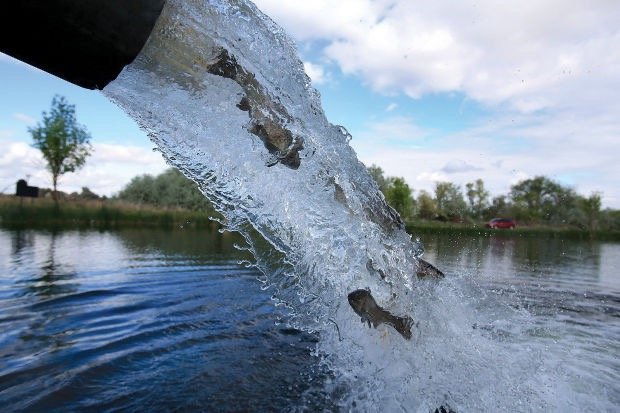
Once your forage base is established, it’s time to introduce sportfish. Predator timing depends on your management goals:
Largemouth Bass: The most popular choice for trophy ponds. Stock fingerlings in fall once forage is thriving.
Channel Catfish: Provide excellent recreational fishing; stock at lower densities to avoid crowding.
Hybrid Striped Bass: Good option for larger ponds with robust forage populations.
Rule of Thumb: Balance predator numbers with available forage. Too many predators = stunted growth and skinny bass.
Stocking success depends on water quality and habitat. Don’t add fish until your pond is ready.
Aeration: Improves oxygen, prevents stratification, and supports higher fish loads.
Vegetation Control: Remove excessive weeds that compete for oxygen.
Water Testing: Check pH, alkalinity, and clarity before stocking.
Habitat: Add structure (brush piles, rock piles, or artificial habitat) to give forage and young fish shelter.
Stocking rates depend on pond size, depth, and management goals. For a standard 1-acre Hill Country pond, a balanced stocking plan may include:
1,000–1,500 bluegill
5–10 lbs. of fathead minnows
50–100 largemouth bass fingerlings (after forage is established)
50–100 channel catfish
Custom plans are always better — no two ponds are alike.
Stock in the morning or evening to avoid midday heat stress.
Acclimate fish slowly by floating transport bags or tanks in your pond before release.
Avoid overstocking — it’s easier to add more later than to fix an overcrowded pond.
Fish stocking is an investment in your pond’s future. If you’re unsure about forage ratios, predator balance, or habitat, professional guidance saves money and time. Highland Pond Management specializes in creating custom stocking plans for Texas Hill Country ponds — from sourcing healthy fish to preparing water quality and habitat.
Fall stocking sets the stage for years of healthy fishing and balanced ponds. With the right timing, forage, predators, and pond prep, you can create a thriving ecosystem.
Contact Highland Pond Management today to schedule a stocking consultation. Our team will design a custom plan tailored to your pond, ensuring your fishery grows strong from the start.
