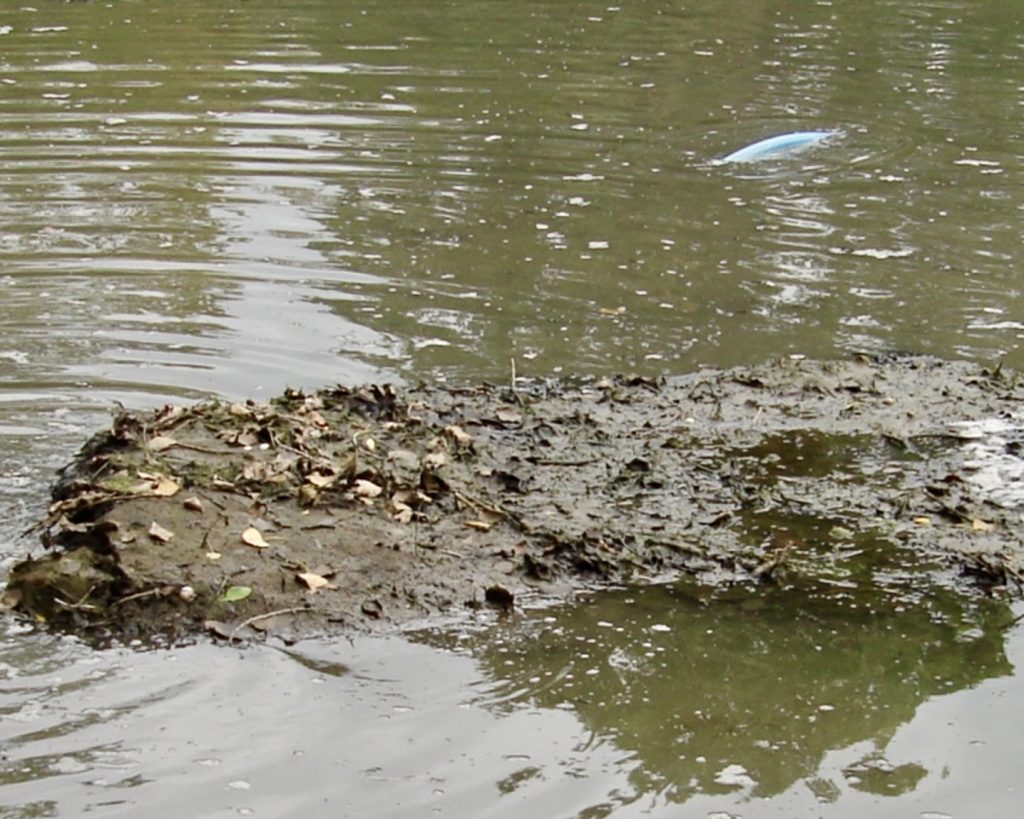
If your pond is murky, shallow, or gives off a foul odor, you’re likely dealing with muck. This dark, organic sludge builds up over time — a byproduct of leaves, fish waste, algae, and runoff. For property owners in the Texas Hill Country, muck is more than just unsightly — it’s a water quality hazard that threatens fish health and pond performance.
In this post, we break down what pond muck is, why it builds up so quickly in our region, and how Highland Pond Management safely reduces it. We’ll explore effective solutions like biological muck reducers, aeration systems, and shoreline cleanup — all tailored to local pond conditions.
Muck is the thick, black sludge that accumulates on the bottom and edges of ponds. It’s mostly organic matter — dead plants, fish waste, uneaten feed, and nutrient-rich runoff. Left unchecked, muck:
Reduces pond depth
Releases foul odors
Depletes oxygen levels
Encourages algae blooms and mosquito breeding
Can harm or kill fish during seasonal turnover
In Texas Hill Country, hot summers and shallow pond design make muck accumulation especially fast and severe.
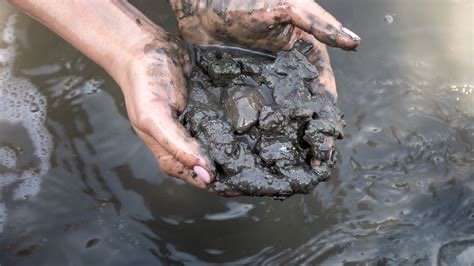
At Highland Pond Management, we use a multi-step process that avoids costly, invasive dredging:
Once muck is reduced, regular maintenance keeps it from building back up. We offer monthly service plans that include:
Bacteria treatments
Aeration upkeep
Algae control
Visual inspections and water quality checks
With consistent management, your pond can stay clean, deep, and healthy — season after season.
We’ve helped landowners across the northern and western Texas Hill Country restore their ponds without resorting to dredging.
Whether you’re in Llano, Mason, Burnet, San Saba, or Lampasas, we tailor every solution to your specific land and water needs.
Contact Highland Pond Management today to request a service visit or water evaluation.
