If you want to improve your Texas pond, start with fish stocking. Learn how to choose the right species and keep the fish population balanced. Whether you’re starting a new pond or upgrading an old one, this guide offers practical tips for better water quality and fishing.
A well-maintained pond is not merely a waterbody; it constitutes a dynamic ecosystem that facilitates recreational fishing, enhances biodiversity, and enriches your property. In Texas, where ponds are integral to both agricultural practices and leisure activities, appropriate fish stocking is essential for effective pond management. Whether initiating a new pond or rejuvenating an existing one, selecting the correct fish species in suitable quantities is crucial to achieving optimal outcomes.
If you seek to establish an ideal fish population for your Texas pond, this guide serves your needs!
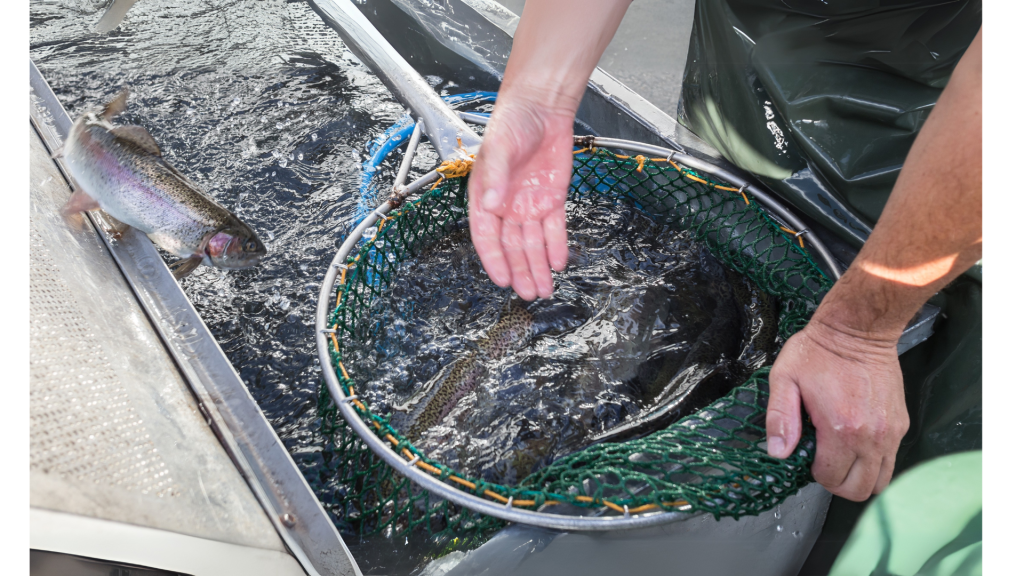
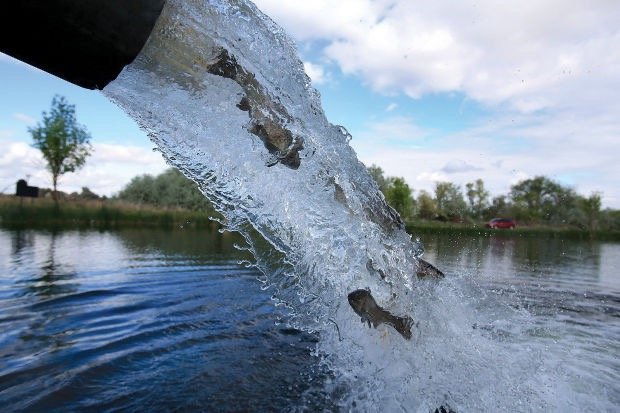
Fish stocking is the process of adding fish to a pond to create a balanced ecosystem or enhance fishing opportunities. Here’s why it matters:
Ecosystem Health: Stocking fish helps control algae, insects, and invasive species, maintaining the ecological balance.
Improved Fishing: Whether you’re aiming for trophy bass or a reliable source of catfish, the right stocking strategy ensures consistent fishing enjoyment.
Enhanced Water Quality: Properly balanced fish populations contribute to cleaner water by reducing overgrowth of vegetation and managing prey-predator relationships.
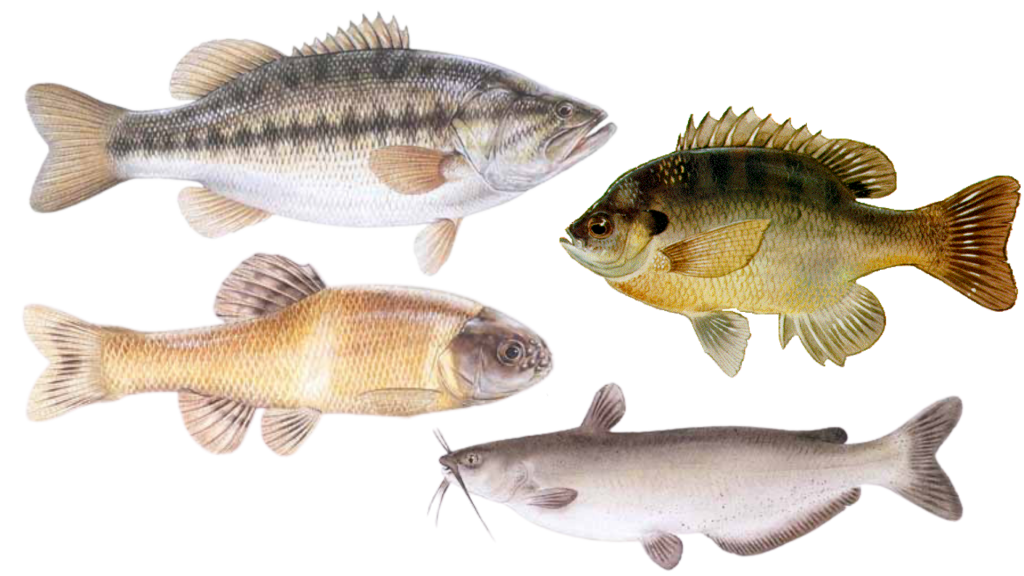
Texas’s diverse climate and pond sizes require careful consideration when selecting fish species. Here are some of the most popular choices:
Largemouth Bass: The go-to predator for recreational fishing. Bass thrive in larger ponds where they can hunt smaller fish like bluegill.
Bluegill: A reliable forage species that supports bass populations while offering great fishing for families.
Channel Catfish: Ideal for smaller ponds, catfish grow quickly and are perfect for those looking for food fish.
Fathead Minnows: Best used as an initial food source to jumpstart a new pond’s ecosystem.
Pro Tip: For Texas ponds smaller than one acre, stick to simpler setups, such as catfish-only populations, to avoid overcrowding and overharvesting challenges.
Stocking isn’t just about adding fish; it’s about creating balance. Follow these best practices to ensure success: <
Need Help? As experts in pond management, we provide tailored fish stocking plans that match your pond’s size, goals, and ecosystem needs.
Once your fish are stocked, ongoing care is key to their long-term health:
Feeding: Consider supplemental feeding for species like catfish to accelerate growth.
Aeration: Install an aeration system to maintain oxygen levels, especially in summer months.
Monitoring: Keep records of fish caught, sizes, and weights to identify any signs of imbalance.
If you notice issues like overpopulation or poor growth rates, contact us for a professional pond assessment.
At Highland Pond Management, we are your trusted partners in creating thriving aquatic ecosystems across Central Texas. From selecting the ideal fish species to implementing comprehensive management solutions, our experienced team provides end-to-end services tailored to your unique pond or lake.
Rely on our expert guidance, high-quality fish from trusted suppliers, and ongoing support to transform your water feature into a vibrant haven for fishing enthusiasts.
Contact us today to schedule a consultation and learn how we can help you achieve your pond or lake management goals.
