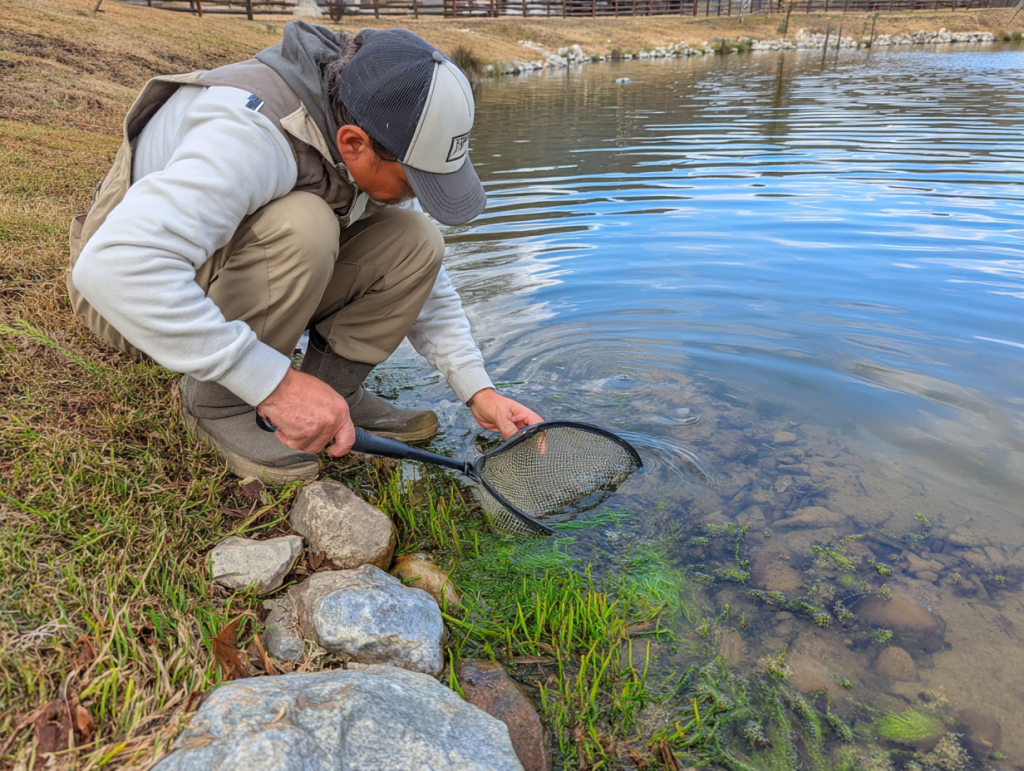
Most spring algae problems don’t start in spring.
They start quietly along the shoreline in late winter—when nobody’s watching, the water is clear, and everything seems stable. For spring algae prevention in Central Texas ponds, this is the fastest early warning system I know.
This quick shoreline check takes about 10 minutes, requires zero equipment, and tells you whether your pond is already loading up the fuel that algae will use the moment temperatures rise.
Quick Summary Shorelines are where most nutrient loading and muck buildup show up first. Clear winter water can still be “nutrient-rich.” If you catch early warning signs now, spring is easier (and cheaper) to manage. You’re not hunting algae—you’re hunting the conditions that create algae
Your pond’s shoreline is where the real story plays out:
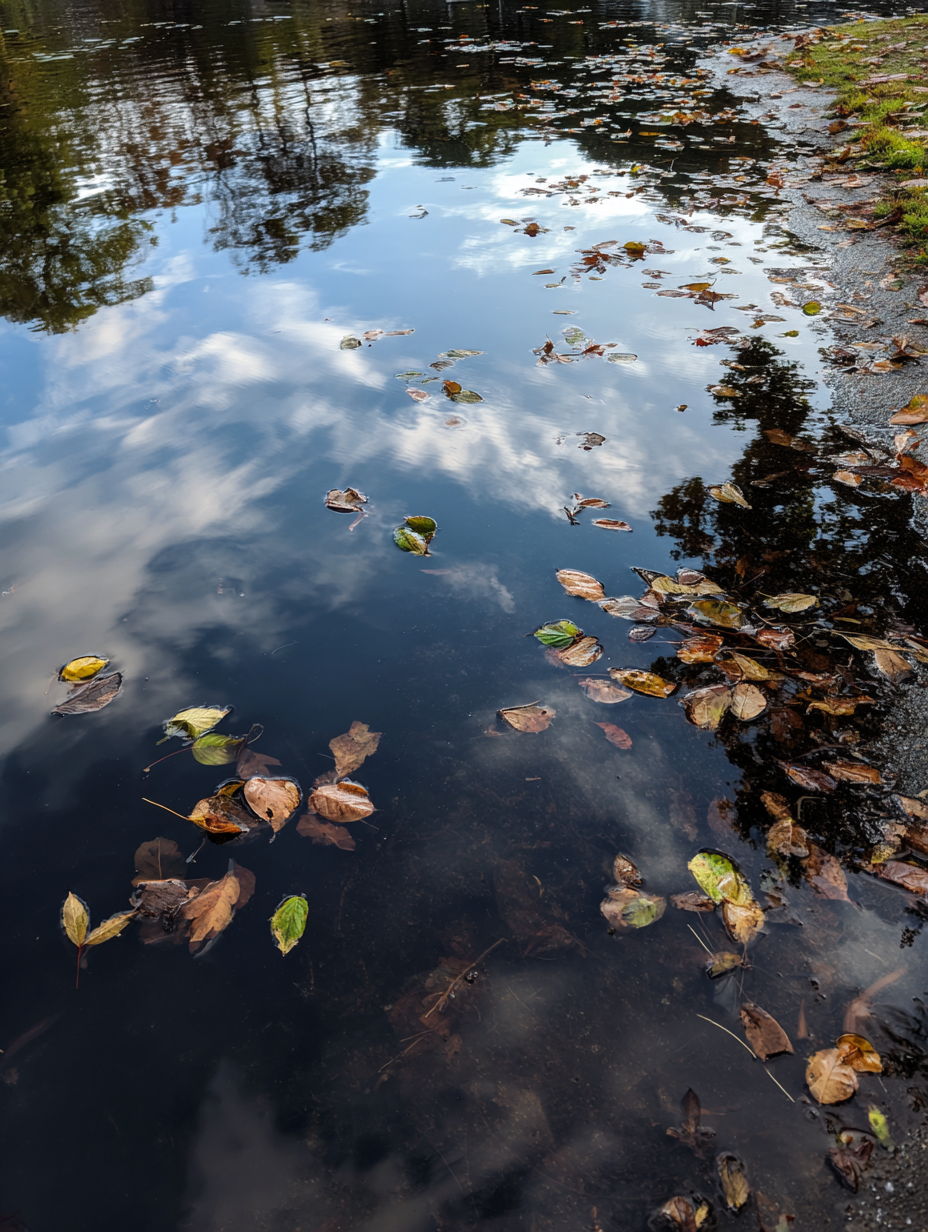
Leaves and grass clippings collect.
Runoff enters.
Shallow water warms first.
Muck forms and releases nutrients.
That means the shoreline often shows trouble weeks before the middle of the pond does.
If you only judge your pond by “the water looks clear,” you’re usually late.
Walk a slow loop around the pond edge (or as much as you can access). You’re looking for these five indicators.
Use a stick, rake handle, or even your boot at the edge.
If it sinks into a soft layer and comes up smelling swampy—or with black/gray sludge—your pond is storing nutrients in the exact place spring warmth will activate.
What it means: You’ve got an organic reservoir that feeds algae and creates oxygen demand.
Check corners and downwind shorelines.
If you see:
leaf rafts
dead grass mats
decaying plant clumps
…that’s future nutrient release.
What it means: Decomposition is already underway, even in winter.
Look at rocks, riprap, dock edges, or anything that touches the water.
A brown/green stain line isn’t automatically bad—but when it’s paired with soft-bottom sludge and shoreline debris, it usually signals higher organic loading.
What it means: The shoreline is cycling organics (and feeding bacteria + algae).
Tiny bubbles rising in clusters near the edge—especially in calm weather—often come from decomposition gases in sediment.
What it means: Bottom organics are actively breaking down and consuming oxygen.
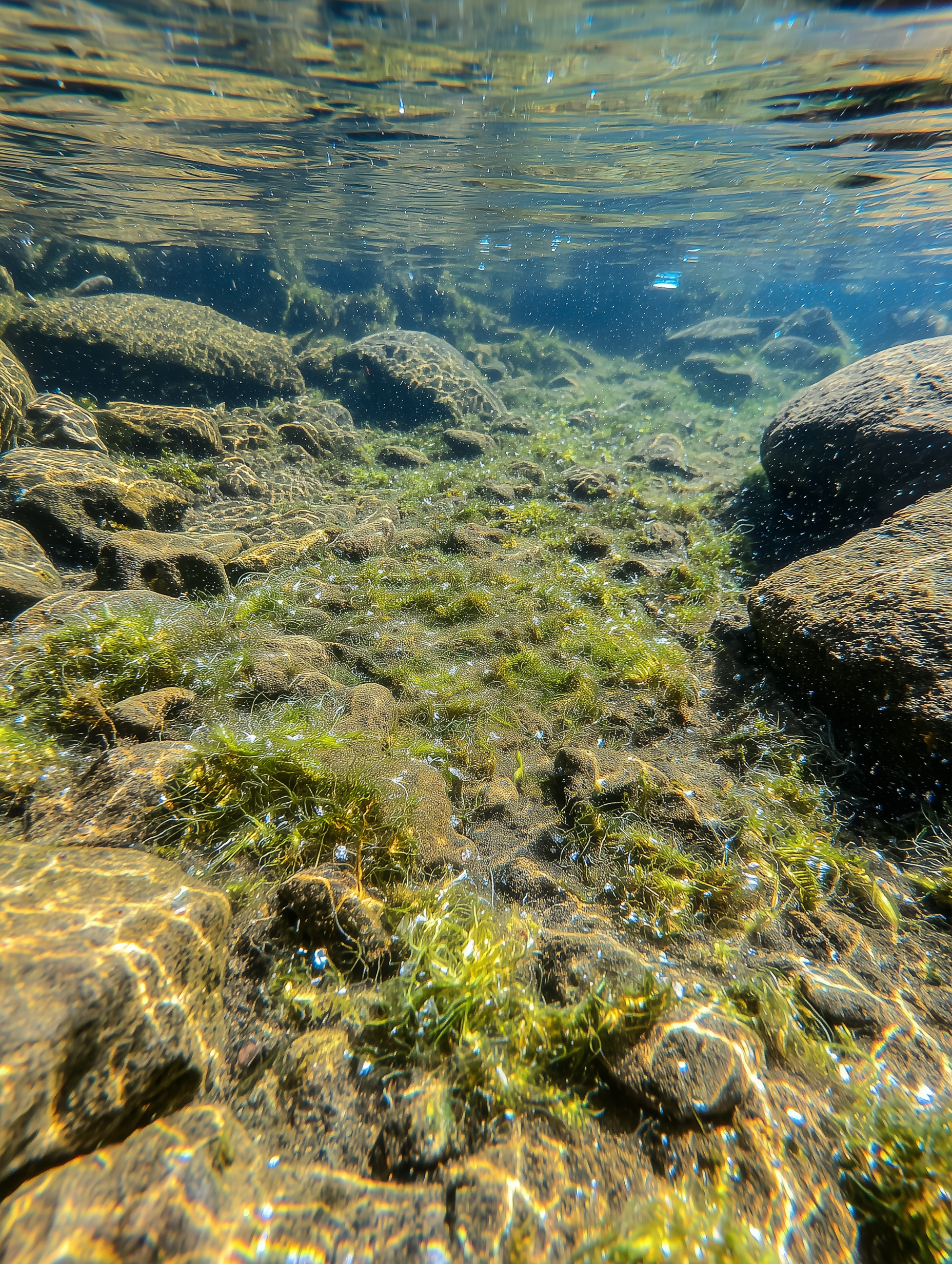
Look for faint green fuzz on:
rocks
sticks
shallow bottom
grass at the waterline
Early filamentous algae often appears first as a thin coating before it becomes floating mats.
What it means: The pond has enough nutrients available that algae is already starting.
If you’re seeing multiple indicators, don’t panic—this is exactly why the shoreline check works. The best move is to reduce the drivers before spring accelerates everything.
Remove shoreline debris (leaves, clippings, dead plant mats) before it sinks.
Stop nutrient inputs (fertilizer drift, runoff channels, bare soil edges).
Improve circulation/oxygen if your pond is prone to stagnation.
Address muck early so spring bacteria/algae don’t get a head start.
If you want to go deeper on why algae keeps coming back, this breaks down the real drivers in plain English:
They wait for the visible problem. By the time algae shows up, the system has already:
loaded nutrients into the water column
built oxygen demand in sediment
warmed the shallow zones where algae starts fastest
Spring doesn’t create the problem.
Spring reveals it.
If your shoreline check keeps turning up:
black/soft sludge
recurring odor after warm spells
early green fuzz that becomes mats
rapid spring algae every year
…it’s usually not a “treat the surface” issue.
It’s a nutrient-and-oxygen cycle issue.
Highland Pond Management helps pond owners reduce nutrient pressure, manage muck, and prevent the seasonal swings that lead to algae and fish stress.
Call and tell us what you saw on your shoreline check—we’ll help you map out the next best step.
