
Why Is My Pond Water Brown? Causes, Solutions & When to Worry
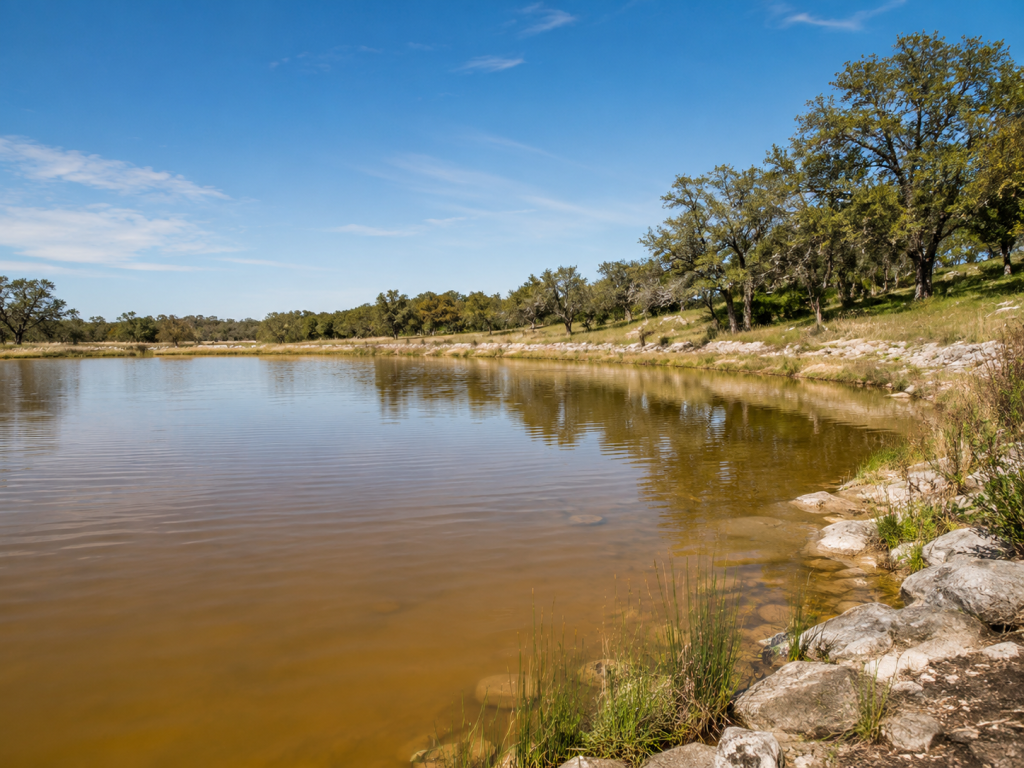
Brown pond water can be a puzzling sight for pond owners, but it isn’t always a cause for alarm. From muddy water caused by suspended clay to tea-colored hues from natural tannins, understanding the source of the discoloration is key. Each type of brown water tells a different story and requires a unique approach. Whether it’s a temporary change after heavy rain or a sign of deeper issues like organic decomposition, knowing when to seek professional help can protect your fish and improve water quality. Discover the common causes and solutions to keep your pond thriving!
Rainbow Trout (A Realistic Winter Stocking Guide for Texas Ponds)
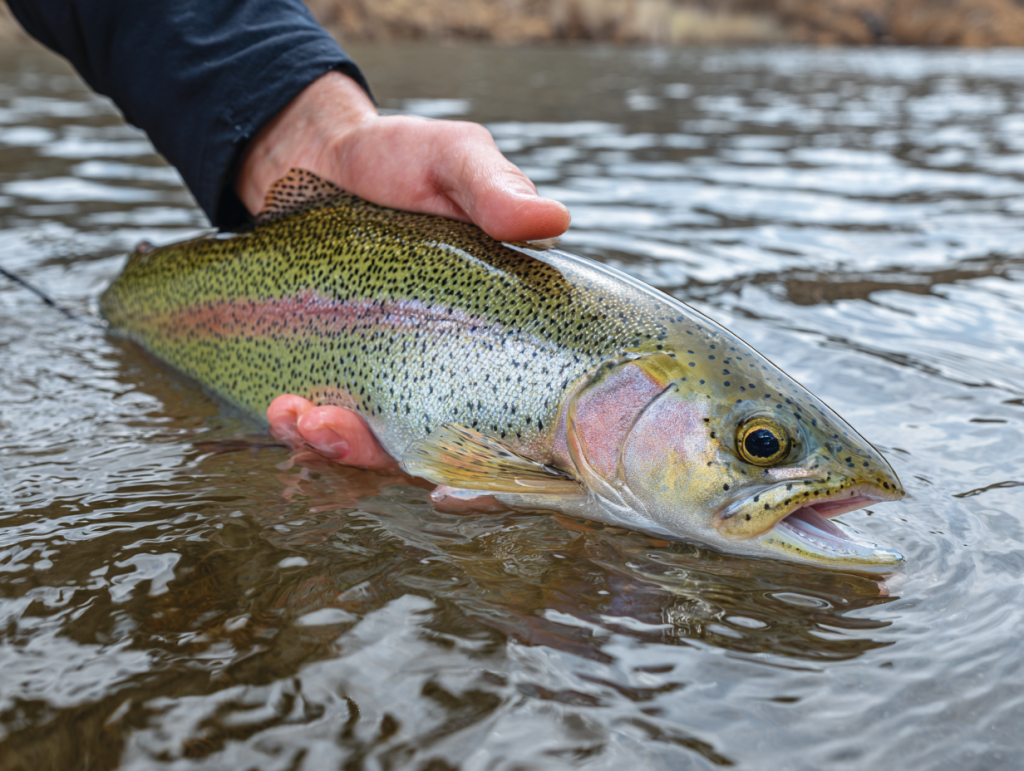
If you’re looking to add a “wow factor” to your Texas pond, rainbow trout are the perfect choice! These fast-growing fish offer exciting winter fishing and delicious table fare without the commitment of a year-round coldwater program. However, successful trout stocking hinges on two key factors: temperature timing and stable oxygen levels. Discover the best practices for stocking, feeding, and harvesting rainbow trout to create a thriving winter fishery. Ready to dive in? Let us help you craft a realistic trout plan tailored to your pond’s unique needs! Call us today at (830) 914-2306.
The 10-Minute Shoreline Check That Predicts Spring Algae
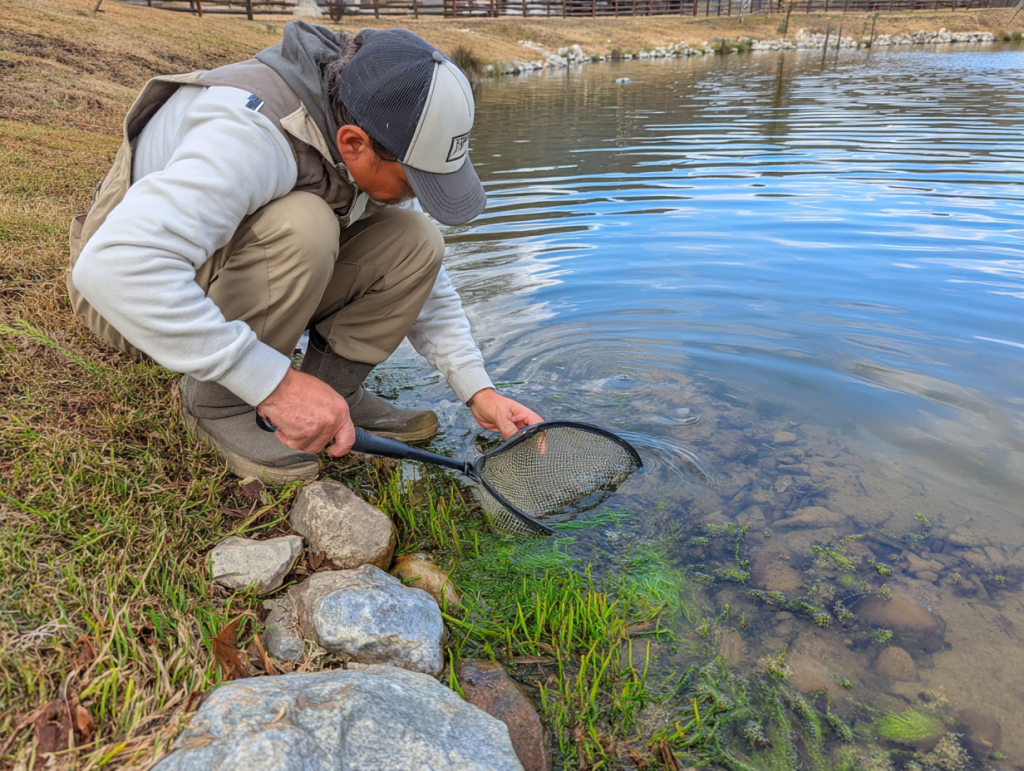
Is your pond turning green seemingly overnight? Most spring algae problems begin quietly along the shoreline in late winter, long before they become visible. Discover the 10-minute shoreline check that can help you catch early warning signs of nutrient buildup and muck accumulation. By identifying these indicators now, you can prevent costly algae blooms later. Learn how to assess your pond’s health with simple observations and take proactive steps to ensure a clear and vibrant pond this spring. Don’t wait for the algae to appear—take control of your pond’s future today!