
Does Your Texas Pond Have Enough Fish Habitat? 7 Features That Build a Better Fishery
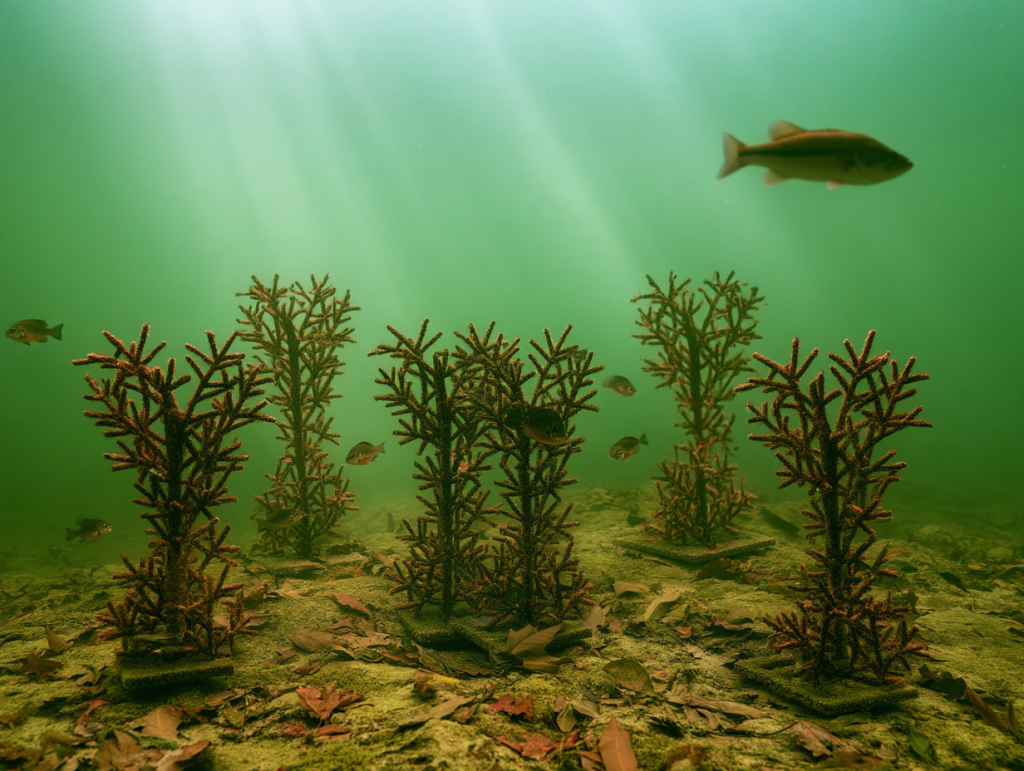
Does Your Texas Pond Have Enough Fish Habitat? A productive fishing pond requires more than just stocking the right fish; it needs a variety of habitats to thrive. Fish need places to spawn, feed, and escape predators. Discover the seven essential features that can transform your pond into a better fishery, from shallow spawning areas for bluegill to ambush structures for largemouth bass. Learn how to strategically place habitat to enhance fish populations and improve your fishing experience. Whether you’re managing an existing pond or developing a new one, the right habitat plan is key to success.
Fish of the Month: Hybrid Striped Bass — A Hard-Fighting Sportfish for Texas Ponds
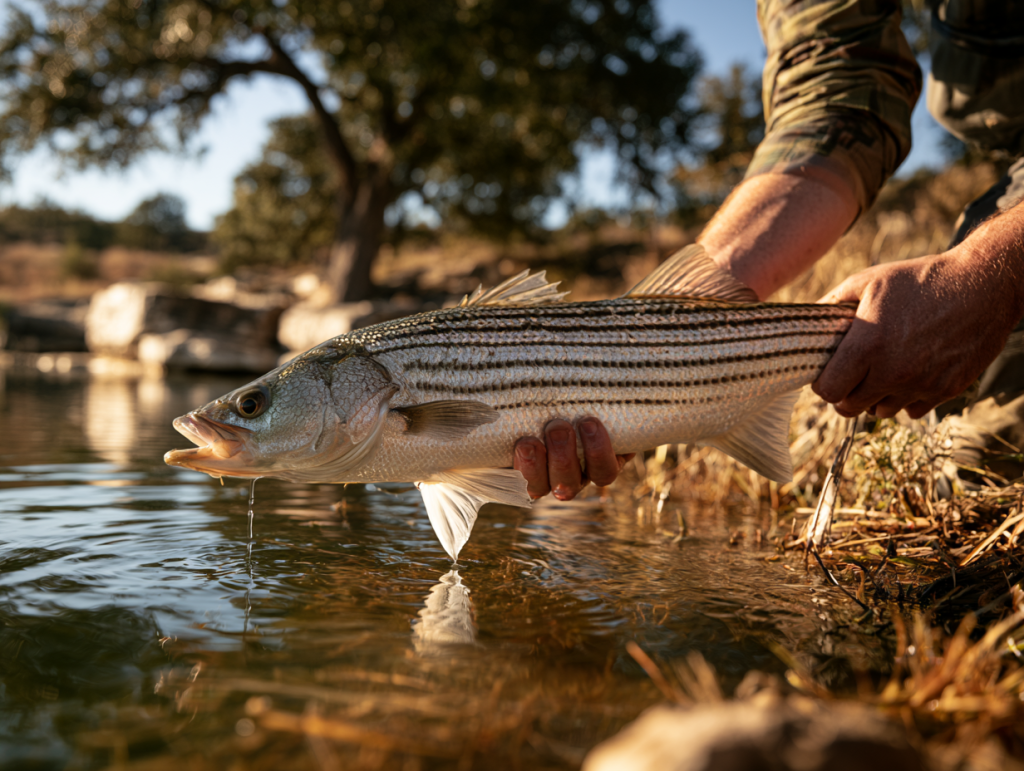
Largemouth bass may dominate Texas pond fishing, but hybrid striped bass offer an exciting alternative. These powerful sportfish grow quickly and strike aggressively, providing a thrilling fishing experience. However, they require careful management to thrive. Before adding hybrids to your pond, it’s essential to evaluate your existing forage base, water quality, and overall fish population. With the right conditions, hybrid striped bass can enhance your pond’s recreational value and diversity. Discover how to successfully integrate these dynamic fish into your fishery and create a unique angling experience that stands apart from traditional bass fishing.
Why Is My Pond Water Brown? Causes, Solutions & When to Worry
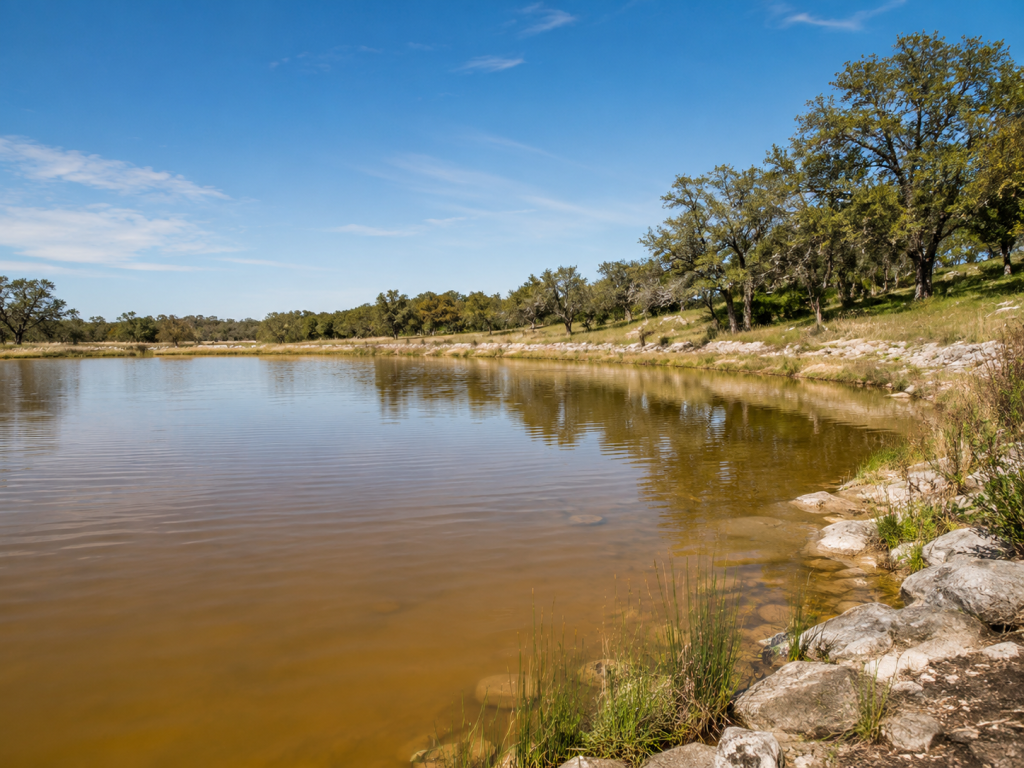
Brown pond water can be a puzzling sight for pond owners, but it isn’t always a cause for alarm. From muddy water caused by suspended clay to tea-colored hues from natural tannins, understanding the source of the discoloration is key. Each type of brown water tells a different story and requires a unique approach. Whether it’s a temporary change after heavy rain or a sign of deeper issues like organic decomposition, knowing when to seek professional help can protect your fish and improve water quality. Discover the common causes and solutions to keep your pond thriving!
Why Your Pond Water Level Keeps Dropping (And When You Should Worry)

As summer heats up in Central Texas, many pond owners notice their water levels dropping. While some evaporation is normal, excessive loss can signal serious issues that could cost you thousands. Understanding the difference between normal evaporation and potential leaks is crucial for maintaining your pond’s health. From reduced habitat for fish to increased algae growth, declining water levels can impact your pond’s ecosystem. Learn how to monitor water loss effectively and when to take action. Don’t let a small problem turn into a costly disaster—discover the signs and solutions to keep your pond thriving all summer long!
Pond Muck: How to Tell If It’s a Problem (and What Actually Reduces It)
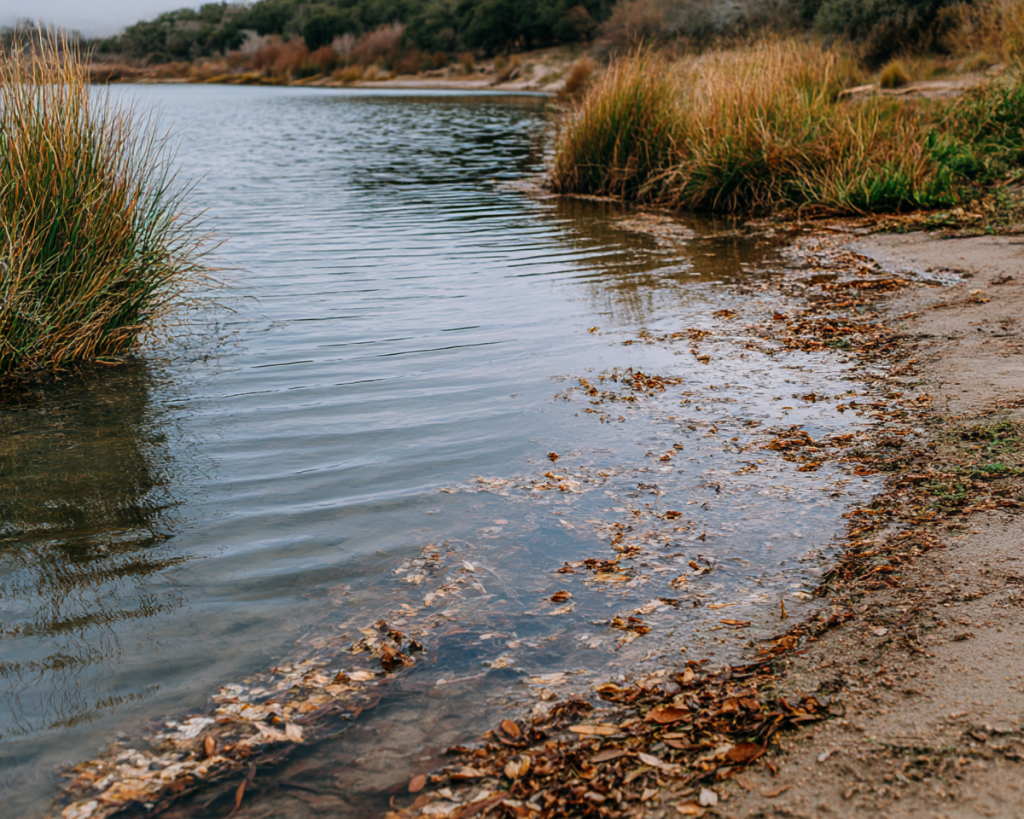
Is your Texas pond plagued by a persistent, swampy smell or stubborn algae? Pond muck might be the culprit! This common issue can drain oxygen, stress fish, and create murky water. But don’t worry—understanding how to identify and manage muck can restore your pond’s health. From simple DIY tests to effective long-term solutions, our guide reveals what really works to reduce muck and improve your pond’s ecosystem. Ready to tackle this quiet problem? Dive into our expert tips and discover how to reclaim your pond’s beauty and balance!
Rainbow Trout (A Realistic Winter Stocking Guide for Texas Ponds)
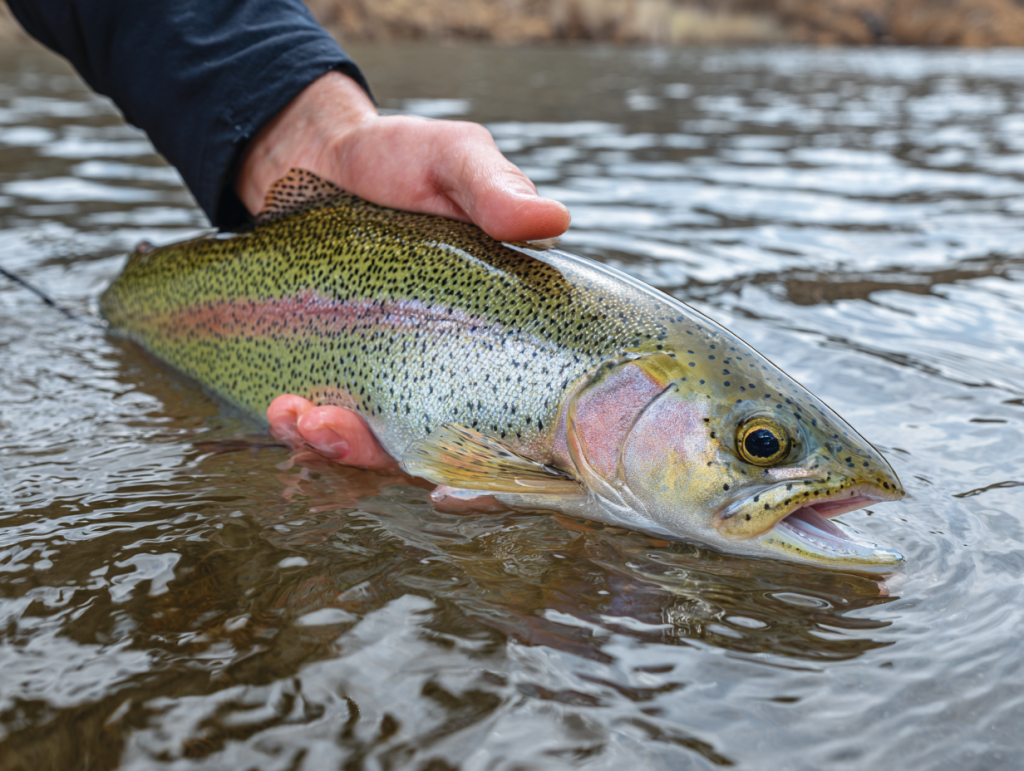
If you’re looking to add a “wow factor” to your Texas pond, rainbow trout are the perfect choice! These fast-growing fish offer exciting winter fishing and delicious table fare without the commitment of a year-round coldwater program. However, successful trout stocking hinges on two key factors: temperature timing and stable oxygen levels. Discover the best practices for stocking, feeding, and harvesting rainbow trout to create a thriving winter fishery. Ready to dive in? Let us help you craft a realistic trout plan tailored to your pond’s unique needs! Call us today at (830) 914-2306.
The 10-Minute Shoreline Check That Predicts Spring Algae
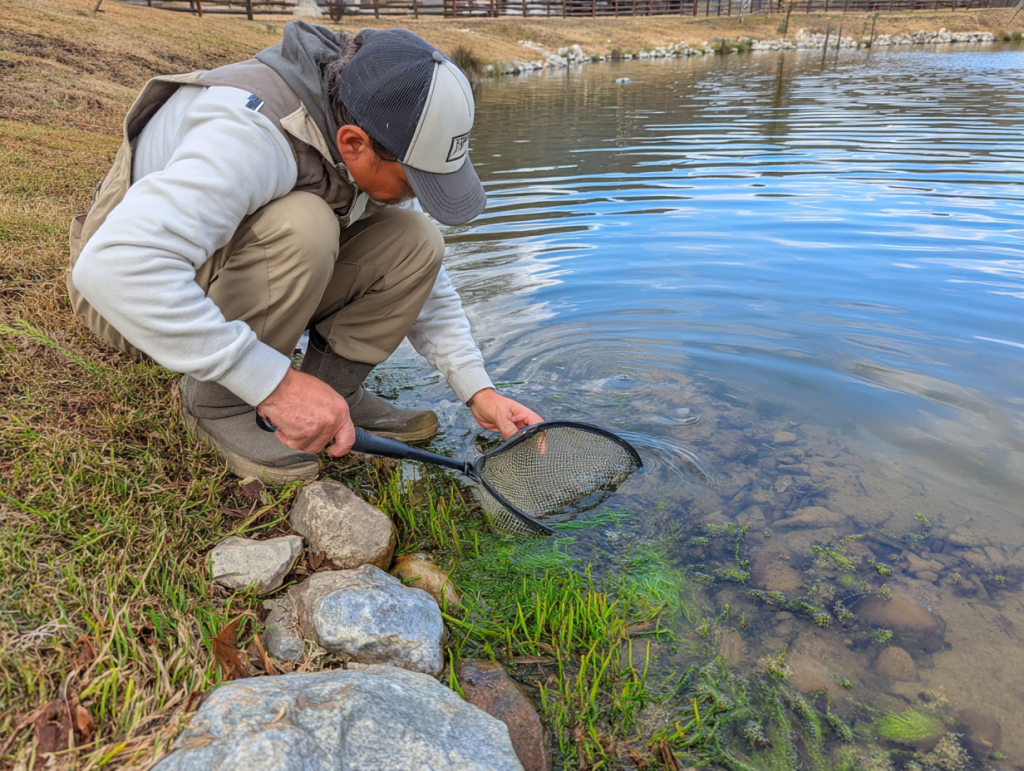
Is your pond turning green seemingly overnight? Most spring algae problems begin quietly along the shoreline in late winter, long before they become visible. Discover the 10-minute shoreline check that can help you catch early warning signs of nutrient buildup and muck accumulation. By identifying these indicators now, you can prevent costly algae blooms later. Learn how to assess your pond’s health with simple observations and take proactive steps to ensure a clear and vibrant pond this spring. Don’t wait for the algae to appear—take control of your pond’s future today!
Are Your Pond Fish Still Alive? What Winter Behavior Actually Means
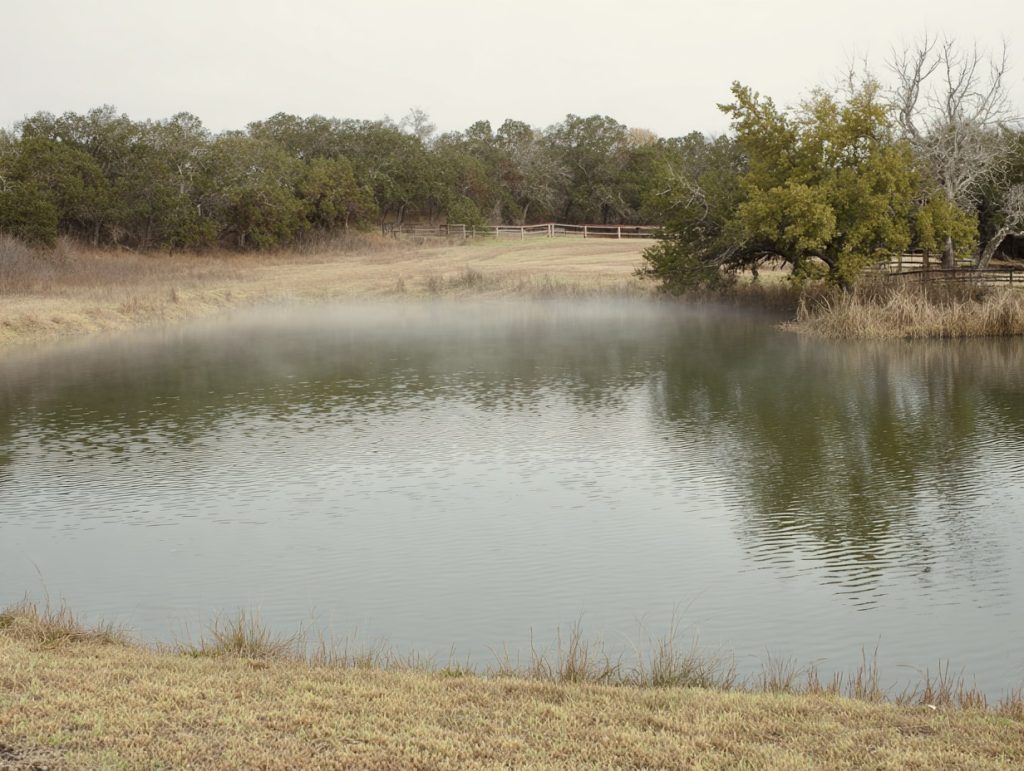
During winter, many Texas pond owners worry about their fish as surface activity dwindles. But did you know that this behavior is often completely normal? As temperatures drop, fish slow down and seek deeper, more stable waters, conserving energy rather than hibernating. However, certain warning signs, like foul odors or fish gasping at the surface, can indicate underlying issues. Understanding these winter behaviors is crucial for maintaining a healthy pond. Discover how to monitor your pond effectively and ensure your fish thrive as the seasons change. Read on to learn more about winter fish behavior and pond care!
Why Some Ponds Struggle Year After Year — While Others Stay Clear

Many pond owners find themselves battling the same issues year after year, while nearby ponds thrive with seemingly less effort. What’s the secret? It’s not just about maintenance; it’s about understanding the unique characteristics of each pond. From depth and shape to shoreline design, these factors play a crucial role in a pond’s health. Discover how nutrient accumulation and shoreline management can make all the difference. If your pond struggles despite your best efforts, it may be time to explore tailored strategies that address the root causes of recurring problems. Read on to learn more!
Watermeal vs. Duckweed: How to Tell the Difference
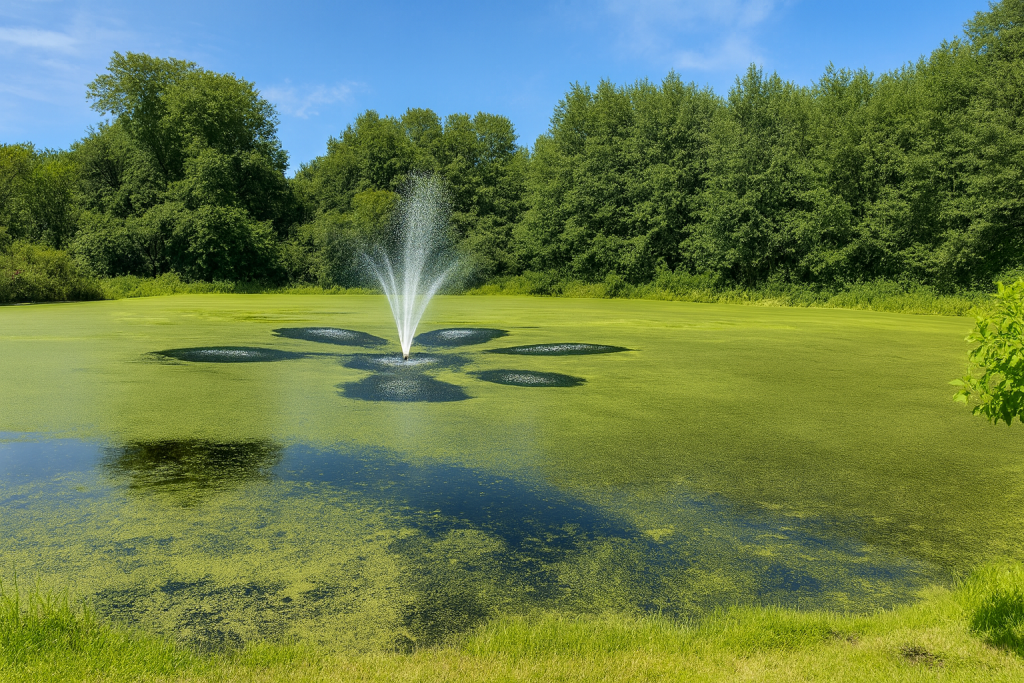
Are you struggling with pesky pond weeds in your Texas pond? Duckweed and watermeal may look similar, but they pose very different challenges. While duckweed can be managed with the right approach, watermeal is a formidable foe that can quickly take over your pond. Discover how to identify these two tiny plants, learn their unique spreading methods, and find out why one requires a multi-stage management plan. Don’t let your pond become overwhelmed—read on to uncover effective strategies for controlling these aquatic nuisances and maintaining a healthy, beautiful water environment!